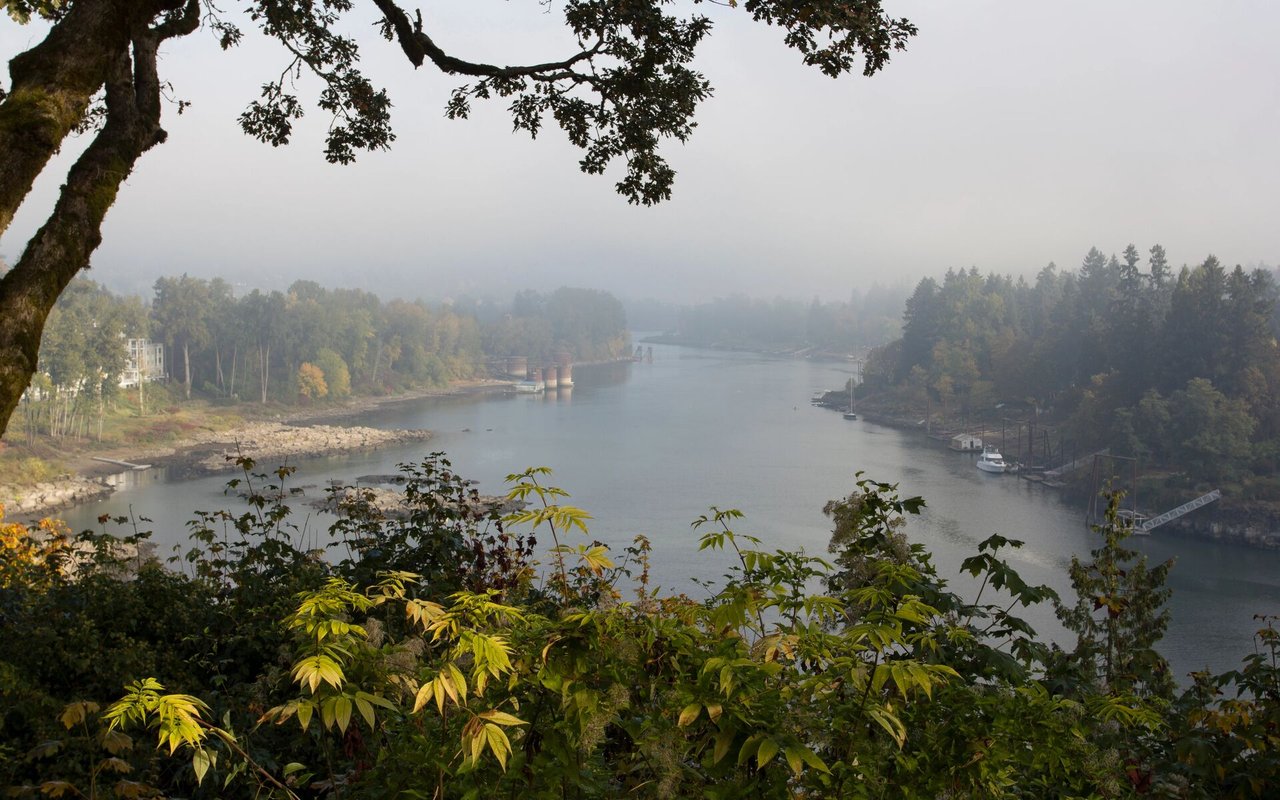
Coffee on your own dock. Sunset boat rides at your doorstep. If you are considering a home on Oswego Lake, you are picturing a one-of-a-kind lifestyle. You also want a clear path from dream to done without surprises. In this guide, you will learn how waterfront rights, permits, inspections, insurance, and financing work in Lake Oswego so you can move forward with confidence. Let’s dive in.
Waterfront rights on Oswego Lake
Waterfront in Lake Oswego is not one-size-fits-all. Oswego Lake sits within the City of Lake Oswego and spans both Clackamas and Multnomah counties. Governance and access rules can be different from many public lakes, and some parcels are subject to private lake or association rules.
Before you write an offer, confirm the exact rights tied to the property. “Waterfront” may include riparian rights, individual access, dock privileges, and membership requirements, or it may be limited by recorded covenants. The only way to know is to verify what is in the deed, title report, and any association documents.
Private governance and memberships
Many lake-adjacent properties are affected by long-standing local arrangements. A private lake corporation or association may regulate docks, buoys, and boating rules, and it may charge fees or require specific approvals. Membership transfer conditions and dock assignment rules can be binding on a buyer.
Ask the seller for any bylaws, fee schedules, rules, and meeting minutes. Review them for costs, use restrictions, and maintenance obligations that apply to the lot you are buying.
Title and access: verify your rights
Order a current preliminary title report early. Look for recorded easements, CC&Rs, riparian reservations, and any lake-corporation liens. Confirm whether dock structures are covered by the title policy or governed by separate recorded agreements.
Request the recorded deed and legal description. Your goal is to confirm that the property includes the lake-related rights you expect and that no prior owner reserved key rights. When in doubt, involve a real estate attorney and a title officer familiar with waterfront exceptions.
Permits: city, county, state, federal
Shoreline improvements require careful planning. Several agencies can have a say in what you can build or replace along the lake.
City and county approvals
The City of Lake Oswego regulates land use and building permits for shoreline work, docks, boathouses, retaining walls, tree removal, and grading. Zoning and critical-area overlays can affect setbacks and allowable improvements. Some parcels may also trigger county-level review in Clackamas or Multnomah, so confirm which jurisdiction issues permits for your address.
State and federal reviews
Work in or near the water often requires state permits. The Oregon Department of State Lands commonly reviews activities involving fill or removal in submerged lands. Depending on scope and habitat, other state agencies may provide input. Federal permits through the U.S. Army Corps of Engineers can apply to projects that affect waters of the United States. Many local dock projects rely on general permits, but you must verify requirements for your specific plan.
If you plan to alter a bulkhead, riprap, or shoreline, expect permit review and potential mitigation. Ask the seller for the permit history for any existing shoreline structures.
Floodplain and FEMA considerations
Check FEMA Flood Insurance Rate Maps to see if the lot lies in a Special Flood Hazard Area. Lenders typically require flood insurance for homes in mapped flood zones, and an Elevation Certificate may be needed to set premiums. Even outside mapped zones, some buyers choose flood coverage for additional protection.
Inspections that matter on the lake
Waterfront ownership comes with unique maintenance and safety needs. Build time into your contingency period for specialized inspections.
Shoreline structures and erosion
Evaluate bulkheads, seawalls, riprap, and retaining walls for movement, corrosion, or undermining. Poor drainage can accelerate erosion and jeopardize foundations. If the shoreline shows distress, consult a shoreline or geotechnical engineer.
Docks, boathouses, and piers
Have a marine contractor assess the dock’s decking, framing, pilings, flotation, anchors, and electrical. Confirm that the dock was permitted and that you have the right to maintain or replace it. Electrical systems should have proper GFCI protection and meet current code.
Foundations, moisture, and hydrology
Look for signs of moisture intrusion in crawl spaces or basements, especially in homes near or below the lake’s normal waterline. Ask inspectors to consider hydrology and groundwater effects when evaluating the structure.
Utilities, septic, and sewer
Confirm whether the home is connected to municipal sewer and water. If the property relies on septic, request the last inspection report, system capacity, and permits. The system should be located and sized to protect water quality and meet setback rules.
Vegetation, trees, and slope stability
Check tree health and root exposure on slopes. Lake Oswego has tree protections that can limit removal, especially in critical areas. If you plan to change landscaping, verify whether permits are required.
Underwater and boating hazards
Assess the approach to the dock for shallow areas or submerged obstructions, especially for your intended boat size. Ask about wake regulations or motor restrictions that could affect how you plan to use the water.
Documents to request from the seller
- Permit records for docks, boathouses, bulkheads, and shoreline work
- Maintenance records for shoreline stabilization and dock systems
- Any recent structural, marine, or geotechnical reports
- Insurance claims history for water-related damage
Insurance, risk, and financing
Waterfront homes involve distinct insurance and lending considerations. Build these into your budget early.
Flood and homeowners coverage
Standard homeowners policies exclude flood from rising water. If your lender requires flood insurance, you can obtain coverage through the National Flood Insurance Program or a private insurer. Even if not required, some buyers choose private flood coverage based on site conditions.
Docks and boathouses are not always fully covered under standard policies. You may need a separate endorsement or a marine policy for adequate protection.
Liability exposure
Direct water access increases liability risk. Many owners add an umbrella policy for additional coverage, and some associations require proof of insurance. Ask your insurance broker to review requirements tied to the property and its lake rules.
Appraisals and lender expectations
Appraisers will consider shoreline stability, dock condition, and flood risk. Major deferred maintenance can lead a lender to require repairs or escrowed funds before closing. If inspections reveal significant issues, expect underwriting questions and plan time for quotes from qualified contractors.
Cost planning
Replacement of bulkheads or major dock components can run into tens of thousands of dollars depending on length, materials, site access, and mitigation. Obtain quotes from local marine contractors to set accurate expectations before you finalize negotiations.
Offer strategy and timelines
A strong offer anticipates due diligence. Preserve flexibility while you confirm rights, condition, permits, and costs.
Pre-offer checks
- Request the title report and a copy of the recorded deed
- Ask for HOA or lake-corporation bylaws, rules, fee schedules, and meeting minutes
- Review any permit history for shoreline work and docks
- Confirm which agencies have permitting authority for the address
Contingencies and specialists
Include time for a marine contractor, shoreline or geotechnical engineer, and any needed septic inspection. Add language that requires the seller to provide permit documentation for existing shoreline structures. If unpermitted work is discovered, require corrective action before closing or an escrow to cover compliance.
Survey and title clarity
Order a current survey that shows lot lines to the water, easements, and improvements. Work with a title company experienced in waterfront exceptions so any riparian reservations or lakebed agreements are clearly disclosed.
Repairs and escrows
If inspections identify shoreline or dock issues, consider a price reduction, seller-performed repairs, or a repair escrow held until permitted work is complete. Some lenders allow escrows for well-defined repair scopes.
Timing for permits
Plan for permitting to take months, especially for shoreline or in-water work that needs multi-agency sign-offs. If your plans depend on new docks or bulkhead changes, structure your offer to account for permit uncertainty and preserve cancellation rights if needed.
Waterfront vs. view homes
Waterfront typically commands a premium because of direct access and the potential for private docks or boathouses. It also carries higher maintenance and more complex permitting and insurance. View-only homes can offer lake living with fewer shoreline responsibilities and lower carrying costs.
Ask yourself how you will use the lake. If boating and private shoreline access are central to your plans, waterfront can deliver unique value. If you prefer low maintenance and a similar neighborhood setting, a view property may fit better and expand your options.
Build your local team
Success on Oswego Lake comes from preparation and local expertise. Engage a surveyor, marine contractor, shoreline or geotechnical engineer, a title officer who understands waterfront exceptions, an insurance broker familiar with flood markets, and a lender comfortable with waterfront collateral. An experienced, team-based real estate approach helps you coordinate specialists, interpret findings, and negotiate solutions without losing momentum.
Your next step
Buying waterfront in Lake Oswego rewards careful due diligence. Confirm rights in writing, plan for permits and timelines, and budget for shoreline maintenance so your lake life starts strong. If you are ready to explore the right homes and a strategic plan tailored to your goals, request a consultation with the team at Lee Davies - Main Site.
FAQs
Do Lake Oswego waterfront homes automatically include dock rights?
- Not always. Dock rights depend on deed language, recorded easements, association or lake-corporation rules, and permits. Verify via title, seller documents, and local approvals.
What inspections are essential for Oswego Lake waterfront purchases?
- Prioritize a marine contractor for docks, a shoreline or geotechnical engineer for bulkheads and slope stability, and standard home, electrical, and septic inspections where applicable.
Will my lender require flood insurance on Oswego Lake?
- Possibly. If the home lies in a FEMA Special Flood Hazard Area, lenders typically require flood insurance. Even outside mapped zones, some buyers choose coverage for added protection.
How long do permits take for docks or bulkheads in Lake Oswego?
- Shoreline and in-water permits can take months due to city review, state approvals, and potential federal coordination. Build these timelines into your offer and project plans.
Who pays to repair a failing bulkhead on a Lake Oswego home?
- The property owner is generally responsible for their shoreline structures. Shared or association-maintained features may have cost-sharing rules in governing documents.
Can I enlarge or add a dock after closing on a Lake Oswego home?
- Maybe. Dock additions or enlargements usually require local and state approvals and must follow association or lake rules. Environmental impacts and neighbor considerations can affect outcomes.