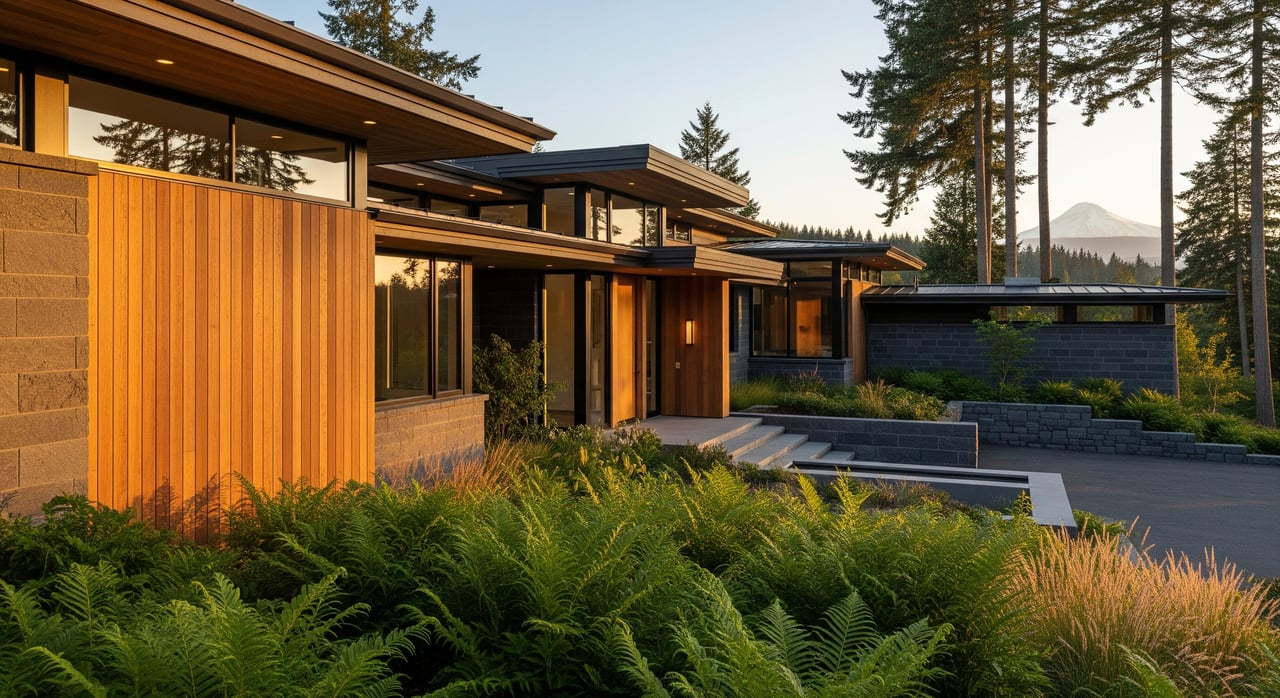
Are you shopping in Cedar Mill, Beaverton, or the West Hills and hearing the term “jumbo loan” come up? If you are targeting higher price points or using a smaller down payment, there is a good chance your mortgage falls into this category. You want a clear path, fewer surprises, and a strong offer when you find the right home. In this guide, you will learn what a jumbo loan is, how underwriting works, what affects rates, and how to prepare a cleaner, more competitive file for Portland’s Westside. Let’s dive in.
What a jumbo loan is
A jumbo loan is a mortgage that exceeds the conforming loan limit set each year by the Federal Housing Finance Agency. Conforming loans meet Fannie Mae and Freddie Mac standards. Jumbos do not, so lenders underwrite them more conservatively.
To know if you need a jumbo, compare your expected loan amount (purchase price minus down payment) to the current FHFA conforming limit for Washington County. You can verify the latest figures on the FHFA’s official page for conforming loan limits.
Why it matters locally: Many Westside homes, especially in Cedar Mill and the West Hills, sit in price ranges where your loan amount can cross the limit if you put less money down. That is why jumbo financing is common for move‑up and luxury buyers in these neighborhoods.
Why jumbos are common on the Westside
Higher price bands and diverse property types mean loan sizes often exceed conforming limits. If your down payment is not large enough to keep the loan below the threshold, you will likely need a jumbo program. The upside is that strong borrowers can still get competitive terms, but you should plan for tighter documentation and more review of appraisals.
Underwriting: what to expect
Jumbo loans involve more careful review. Expect the following:
Credit score
- Many programs expect a higher score. A common minimum is about 700 to 740, and best pricing often starts at 740 and above.
Loan‑to‑value (LTV)
- Maximum LTVs are usually lower than conforming loans. For many primary residences, typical caps are 80 to 90 percent. A larger down payment often helps pricing and approval.
Debt‑to‑income (DTI)
- Preferred DTIs are often 43 to 45 percent or lower. Some lenders allow higher DTIs with strong compensating factors like high reserves or excellent credit.
Cash reserves
- Expect 6 to 12 months of reserves after closing in many cases. Larger loans or second homes can require more.
Income documentation
- Full documentation is standard. That usually means W‑2s, tax returns, and paystubs. Asset‑based or alternative programs exist but often cost more.
Assets and liquidity
- Lenders review liquid assets and may ask for context on large deposits. If you are buying before selling, plan for bridge financing or clear documentation of sale proceeds.
Appraisals and property type
- Unique West Hills properties, homes on steep slopes, or large lots can require extra appraisal analysis. Condos often face stricter project reviews with jumbo lenders.
Occupancy
- Primary residences usually allow higher LTVs than second homes or investment properties.
Interest‑only or extended terms
- Some portfolio lenders offer interest‑only or longer amortizations for well‑qualified borrowers. These are specialized programs with tighter requirements.
Rate basics and how to improve your terms
Jumbo rates are influenced by market mechanics, investor demand, and your specific risk profile. They are not tied to agency guarantee fees the same way conforming loans are, so pricing can vary more by lender and market conditions. For broader market context, you can review the Mortgage Bankers Association’s news and research.
Practical steps to improve terms:
Strengthen your file
- Raise your credit score by paying down revolving balances and fixing reporting errors.
- Increase your down payment to lower LTV.
- Build and document larger liquid reserves.
- Reduce DTI by paying down consumer debt or eliminating non‑recurring obligations.
Compare quotes and programs
- Shop multiple lenders and request full cost details. Local and regional portfolio lenders sometimes price competitively for Westside properties.
Consider buydowns
- Temporary buydowns lower the rate for the first one to two years and can be negotiated as a seller credit. Permanent buydowns (paying points) reduce the rate for the life of the loan. The CFPB explains how points work in its guide to discount points. Calculate your breakeven by dividing the cost of points by the monthly savings.
Plan your lock strategy
- Discuss lock timing and any float‑down options with your lender, especially if your transaction involves complex underwriting or a home sale contingency.
Explore bridge options
- Bridge loans or a HELOC on your current home can help you reduce the initial jumbo amount or time the sale proceeds.
Westside purchase examples
Loan limits change every year. For illustration only, the examples below use a sample conforming loan limit of $726,200. Always confirm the current FHFA limit for Washington County before you finalize financing.
| Scenario | Purchase Price | Down Payment | Estimated Loan | Jumbo? |
|---|---|---|---|---|
| Move‑up | $800,000 | 20% ($160,000) | $640,000 | No (conforming in this example) |
| Move‑up | $800,000 | 10% ($80,000) | $720,000 | No (still under example limit) |
| Higher move‑up | $1,200,000 | 20% ($240,000) | $960,000 | Yes |
| Higher move‑up | $1,200,000 | 30% ($360,000) | $840,000 | Yes |
| Upper luxury | $1,800,000 | 25% ($450,000) | $1,350,000 | Yes |
Tip: At many Westside price points, a 20 percent down payment may keep an $800,000 purchase under the conforming limit in some years. Once you move into higher price bands, jumbo financing becomes more likely even with larger down payments.
Payment planning basics
Your monthly payment includes more than principal and interest. You should budget for property taxes, homeowner’s insurance, and any HOA dues. For local tax details, review Washington County’s page on property taxes and assessments. For broader guidance on mortgage costs and shopping for a loan, the CFPB’s Owning a Home resources are helpful.
Appraisals on unique Westside homes
In the West Hills and parts of Cedar Mill, architecture and terrain can be highly varied. Appraisers may have fewer recent, close‑match comparable sales, which can increase review time and the risk of an appraisal gap if you are bidding in a competitive situation. Plan for detailed interior and exterior photos, multiple comparable sales, and possible follow‑up questions from underwriting. For condos, expect the lender to review the project’s budget, reserves, and owner‑occupancy ratios more closely under jumbo guidelines.
Quick glossary
- Jumbo loan: A mortgage that exceeds the FHFA conforming loan limit.
- Conforming loan limit: The maximum loan size eligible for Fannie Mae and Freddie Mac purchase. Check the latest FHFA conforming loan limits.
- LTV (loan‑to‑value): Loan amount divided by purchase price or appraised value.
- DTI (debt‑to‑income): Monthly debt payments divided by gross monthly income.
- Reserves: Liquid assets left after closing, measured as months of mortgage payments.
- Buydown: Paying upfront funds to temporarily or permanently reduce your interest rate.
- Bridge loan: Short‑term financing that helps you buy before you sell.
Next steps for Westside buyers
- Get preapproved early with a lender that offers competitive jumbo programs and understands local property nuances.
- Gather income and asset documentation up front to avoid delays.
- Discuss down payment scenarios that keep you under the conforming limit if that fits your goals, or prepare for jumbo terms if your target price requires it.
- Weigh the cost and benefits of buydowns, points, and lock strategies as you plan your offer.
When you want a clear strategy for Cedar Mill, Beaverton, or the West Hills, our team can help you align neighborhood insights, pricing, and timing so your financing plan supports your negotiating position. If you are ready to move, request a strategic consultation with Lee Davies - Main Site.
FAQs
How to tell if your Westside loan is jumbo
- Compare your expected loan amount to the current FHFA conforming limit for Washington County; if the amount is above the limit, it is a jumbo loan.
Do jumbo loans usually cost more than conforming loans
- Often yes, but it depends on market conditions and your profile; strong credit, lower LTV, and solid reserves can produce competitive jumbo pricing.
What credit score and down payment do jumbos prefer
- Many programs look for 700 to 740 or higher credit scores, and typical maximum LTVs for primary residences range from about 80 to 90 percent.
Are jumbo loans harder to close in Cedar Mill and Beaverton
- Underwriting is more document‑heavy and appraisals on unique homes can take longer, so start early and provide complete documentation to reduce friction.
Can a seller pay for a temporary rate buydown on a jumbo
- Yes, seller‑paid temporary buydowns are commonly negotiated as a closing credit and can make your payment lower for the first one to two years.
How do jumbos treat condos and townhomes on the Westside
- Jumbo lenders often require stricter condo project reviews, including documentation of budgets, reserves, and owner‑occupancy ratios before approving the loan.